Hey there! I’m a supplier of FRP process equipment, and I’m super stoked to walk you through the production process of this awesome stuff. FRP, or Fiberglass Reinforced Plastic, is a game – changer in the industrial equipment world, known for its durability, corrosion resistance, and versatility. So, let’s dive right in! FRP Process Equipment
1. Design and Planning
First things first, we kick off the process with design and planning. It’s like laying the foundation for a house. We sit down with our clients to understand their specific needs. They tell us what kind of process they’re running, what substances the equipment will come into contact with, and what the operating conditions are.
For example, if it’s a chemical plant, the equipment might need to withstand highly corrosive chemicals. So, we’ll design it with the right thickness, resin type, and reinforcement pattern. We use advanced CAD (Computer – Aided Design) software to create detailed 3D models. This helps us visualize the final product and make any necessary adjustments before we start building. It’s all about getting it right from the start to avoid any headaches later on.
2. Material Selection
Once the design is locked in, it’s time to pick the materials. The two main components of FRP are the resin and the fiberglass reinforcement.
The resin is like the glue that holds everything together. There are different types of resins, such as polyester, vinyl ester, and epoxy. Polyester resins are cost – effective and work well in many general applications. Vinyl ester resins offer better chemical resistance, which is great for industries dealing with harsh chemicals. Epoxy resins are super strong and have excellent adhesion properties, often used in high – performance applications.
The fiberglass reinforcement comes in various forms, like chopped strands, woven rovings, and mats. Chopped strands are short pieces of fiberglass that are randomly distributed, providing good strength in all directions. Woven rovings are made of continuous fiberglass strands woven together, offering high strength in specific directions. Mats are made of randomly arranged fiberglass fibers and are great for adding a smooth surface finish.
We carefully select the resin and fiberglass based on the design requirements and the end – use of the equipment. It’s a crucial step because the right materials will ensure the equipment performs well and lasts a long time.
3. Mold Preparation
Now, we move on to mold preparation. The mold is like the blueprint for our FRP equipment. We can either make a new mold or use an existing one, depending on the project.
If we’re making a new mold, we use materials like fiberglass, wood, or metal. We shape the mold according to the design specifications. It has to be precise because any imperfections in the mold will show up in the final product. We also apply a release agent to the mold surface. This is a special coating that prevents the FRP from sticking to the mold, making it easier to remove the finished product later.
4. Laying Up the Fiberglass
This is where the action really starts! We begin the process of laying up the fiberglass. There are a few different methods, but one of the most common is the hand lay – up method.
In the hand lay – up method, we first apply a layer of resin to the mold using a brush or a roller. Then, we place a layer of fiberglass reinforcement on top of the resin. We use a roller to press the fiberglass into the resin, removing any air bubbles and ensuring good adhesion. We repeat this process, alternating between resin and fiberglass layers, until we reach the desired thickness.
Another method is spray – up. In this method, we use a spray gun to apply a mixture of resin and chopped fiberglass directly onto the mold. This is a faster way to build up the layers, but it requires more skill to ensure an even distribution of the materials.
5. Curing
After we’ve laid up all the layers, it’s time for curing. Curing is the process of hardening the resin. There are two main types of curing: room – temperature curing and heat – assisted curing.
Room – temperature curing is the simplest method. We just let the FRP sit at room temperature for a certain period of time, usually a few hours to a few days, depending on the type of resin. During this time, the resin undergoes a chemical reaction and hardens.
Heat – assisted curing is used when we need to speed up the process or when the resin requires higher temperatures to fully cure. We use an oven or a heating blanket to apply heat to the FRP. This reduces the curing time significantly, but we have to be careful not to overheat the material, as it can cause damage.
6. Trimming and Finishing
Once the FRP has cured, it’s time to trim and finish the product. We use cutting tools like saws and routers to remove any excess material from the edges of the equipment. This gives it a clean, professional look.
We also sand the surface to make it smooth. Depending on the client’s requirements, we can apply a gel coat to the surface. A gel coat is a special resin that provides a protective and aesthetically pleasing finish. It can be colored to match the client’s preferences, and it also helps to further protect the FRP from environmental factors.
7. Quality Control
Before we ship out the equipment, we conduct a thorough quality control check. We inspect the product for any defects, such as cracks, air bubbles, or uneven thickness. We also test the equipment to ensure it meets the design specifications.
We use various testing methods, such as non – destructive testing (NDT) techniques like ultrasonic testing and visual inspection. Ultrasonic testing helps us detect any internal defects in the FRP, while visual inspection allows us to check the surface for any visible flaws. If we find any issues, we make the necessary repairs or adjustments before the equipment leaves our facility.
8. Packaging and Shipping
Once the equipment passes the quality control check, we package it for shipping. We use protective materials like foam and cardboard to prevent any damage during transit. We also label the package with all the necessary information, such as the product name, dimensions, and handling instructions.
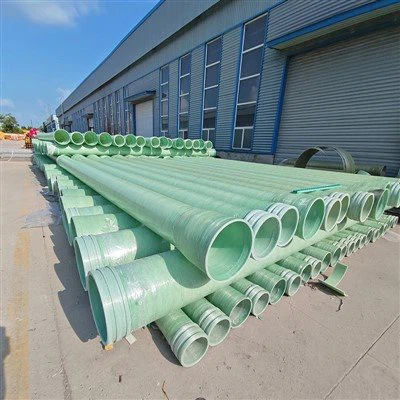
We work with reliable shipping partners to ensure the equipment is delivered safely and on time to our clients. We track the shipment to keep our clients informed about its status.
Fiberglass Products So, that’s the production process of FRP process equipment in a nutshell. It’s a complex but rewarding process that results in high – quality, reliable equipment. If you’re in the market for FRP process equipment, I’d love to have a chat with you. Whether you need a custom – designed solution or a standard product, we’ve got you covered. Reach out to us to start a conversation about your specific requirements, and let’s work together to find the perfect FRP equipment for your needs.
References
- "Fiberglass Reinforced Plastics Handbook" by John A. Harper
- "Composites Manufacturing Processes" by David A. Dillard
Hebei Weihan Environmental Protection Equipment Co., Ltd.
We’re well-known as one of the leading FRP process equipment manufacturers and suppliers in China, featured by quality products and good service. Please rest assured to buy customized FRP process equipment at competitive price from our factory. Contact us for more details.
Address: No. 666 Chuangye Road, Zaoqiang County, Hengshui City, Hebei Province
E-mail: weihanmachine@gmail.com
WebSite: https://www.whanfrp.com/
