In the intricate world of textile manufacturing, the choice of weave can significantly impact the quality, appearance, and performance of a fabric. Two popular weaves that often come under scrutiny are the 3/1 Twill Weave and the Satin Weave. As a supplier of 3/1 Twill Weave fabrics, I am well – versed in the unique characteristics of this weave and how it stacks up against the satin weave. 3 1 Twill Weave

Understanding the Basics of 3/1 Twill Weave
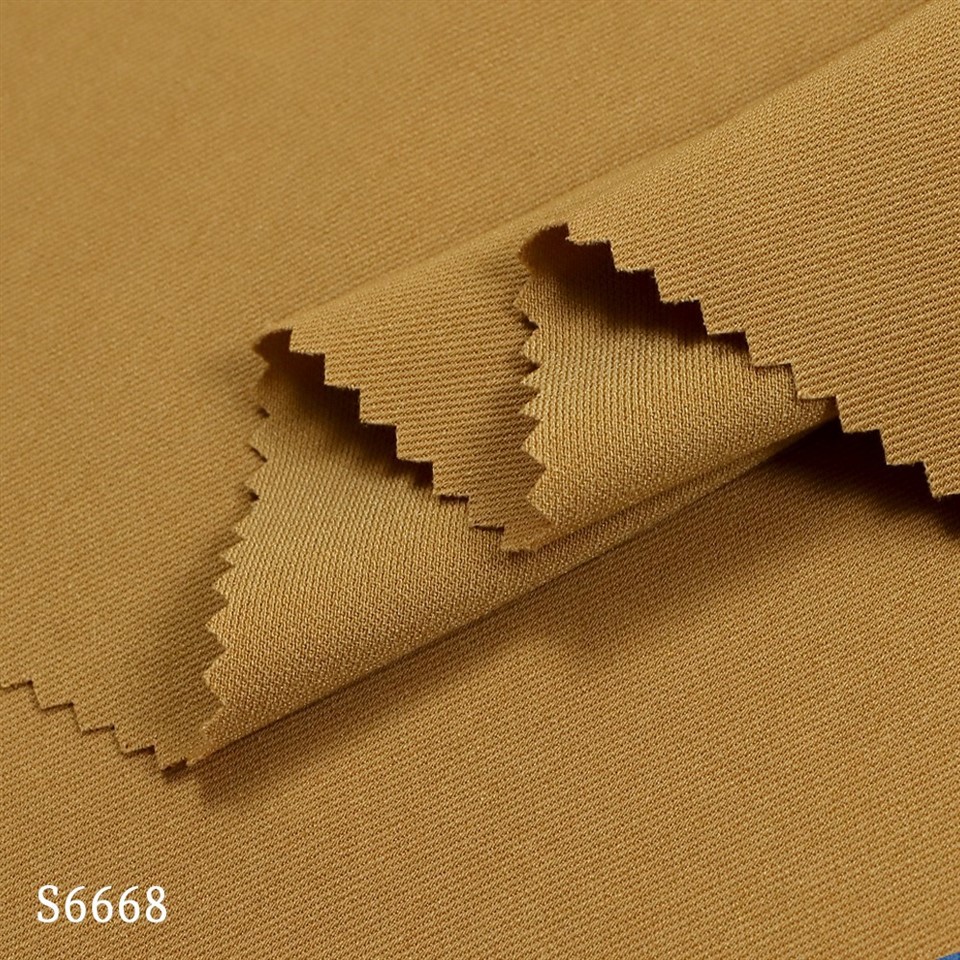
The 3/1 Twill Weave is a classic textile pattern. It is created by floating one warp yarn over three weft yarns before interlacing. This results in a diagonal line pattern on the fabric surface. The diagonal lines give the fabric a dynamic and textured appearance. One of the key advantages of the 3/1 Twill Weave is its durability. The structure of the weave makes the fabric resistant to wear and tear, as the interlacing pattern distributes stress evenly across the fabric.
This weave is also known for its versatility. It can be used to create a wide range of products, from casual clothing like jeans to more formal items such as suits. The fabric made from 3/1 Twill Weave has a good drape, which means it hangs well and conforms to the body shape. Additionally, the 3/1 Twill Weave is relatively easy to produce, which can lead to cost – effective manufacturing.
The Characteristics of Satin Weave
Satin Weave, on the other hand, is characterized by a smooth and lustrous surface. It is created by having long floats of warp or weft yarns on the fabric surface, which gives it a shiny appearance. Satin fabrics are often associated with luxury and elegance. They are commonly used in high – end clothing, lingerie, and bedding.
One of the main features of satin weave is its softness. The long floats of yarns make the fabric feel smooth to the touch. However, this also makes the fabric more prone to snagging and abrasion compared to the 3/1 Twill Weave. Satin fabrics require more delicate handling and care.
Aesthetic Comparison
When it comes to aesthetics, the 3/1 Twill Weave and the Satin Weave offer distinct looks. The 3/1 Twill Weave has a rugged and textured appearance due to its diagonal lines. This gives it a more casual and utilitarian feel. It is suitable for products where a more down – to – earth look is desired, such as workwear or outdoor clothing.
In contrast, the Satin Weave has a sleek and shiny surface that exudes luxury. It is perfect for formal occasions and products where a high – end look is required. For example, a satin evening gown will have a much more glamorous appearance compared to a dress made from 3/1 Twill Weave.
Performance Comparison
In terms of performance, the 3/1 Twill Weave outshines the Satin Weave in several aspects. As mentioned earlier, the 3/1 Twill Weave is more durable. It can withstand repeated washing and wearing without showing significant signs of damage. This makes it a great choice for everyday use products.
The Satin Weave, while soft and luxurious, is more delicate. It is more likely to get snagged on sharp objects and may require special care during washing. For example, satin fabrics often need to be hand – washed or washed on a gentle cycle to prevent damage.
Comfort Comparison
Comfort is an important factor when choosing a fabric. The 3/1 Twill Weave offers a good balance between comfort and durability. It has a breathable structure, which allows air to circulate through the fabric, keeping the wearer cool. The fabric also has a certain degree of stretch, which adds to the comfort.
Satin fabrics are known for their softness, but they may not be as breathable as 3/1 Twill Weave. The long floats of yarns can trap heat and moisture, making the wearer feel hot and uncomfortable in some situations. However, satin is often used in products where the focus is more on the aesthetic appeal rather than long – term comfort, such as evening wear.
Cost Comparison
Cost is another crucial consideration for both manufacturers and consumers. The 3/1 Twill Weave is generally more cost – effective to produce. The relatively simple weaving process and the use of common yarns contribute to its lower cost. This makes it an attractive option for mass – produced products.
Satin Weave, on the other hand, is often more expensive. The production of satin requires more complex weaving techniques and often uses higher – quality yarns. The cost of raw materials and the manufacturing process contribute to the higher price tag of satin fabrics.
Applications
The 3/1 Twill Weave has a wide range of applications. It is commonly used in the production of denim, which is a staple in the fashion industry. Denim made from 3/1 Twill Weave is known for its durability and comfort. It is also used in the production of workwear, military uniforms, and casual clothing.
Satin Weave is mainly used in high – end fashion, lingerie, and bedding. Satin evening gowns, lingerie sets, and satin sheets are all popular products made from this weave. The luxurious appearance of satin makes it a favorite for special occasions and high – end products.
Why Choose 3/1 Twill Weave from Our Supply
As a supplier of 3/1 Twill Weave fabrics, we take pride in offering high – quality products. Our 3/1 Twill Weave fabrics are made from carefully selected yarns, ensuring a durable and long – lasting product. We have a state – of – the – art manufacturing facility that allows us to produce fabrics with consistent quality.
We also offer a wide range of colors and finishes for our 3/1 Twill Weave fabrics. Whether you are looking for a classic blue denim or a more unique color for a special project, we can meet your needs. Our team of experts is always ready to provide technical support and advice on the best use of our fabrics.
Conclusion
In conclusion, both the 3/1 Twill Weave and the Satin Weave have their own unique characteristics and advantages. The 3/1 Twill Weave is a durable, versatile, and cost – effective option, suitable for a wide range of applications. The Satin Weave, on the other hand, offers a luxurious and elegant appearance but requires more delicate handling.
Polyster Nylon Fabric If you are in the market for high – quality 3/1 Twill Weave fabrics, we invite you to contact us for a procurement discussion. We are confident that our products will meet your requirements and exceed your expectations. Let’s work together to bring your textile projects to life.
References
- Textile Technology: Weaving, by Dr. R. S. Postle
- The Handbook of Textile Fibre Structure, by W. E. Morton and J. W. S. Hearle
Shaoxing Huichao Textile Co., Ltd.
As one of the most professional 3 1 twill weave manufacturers and suppliers in China, we offer a wide range of products with superior quality. We warmly welcome you to wholesale bulk 3 1 twill weave in stock here from our factory. If you have any enquiry about cooperation, please feel free to email us.
Address: Shenyue International Build ing, Unit 1603-1605, Keqiao District, Shaoxing City, Zhejiang Province, China
E-mail: darrenzhong@huichaotextile.com
WebSite: https://www.huichaotextile.com/
