Hey everyone, if you’re a brand owner, designer, or someone who’s ever stared at a blank swatch book for custom woven labels, you’ve probably wondered: “What colors can I actually get for these little (or big) tags that’ll sit on my products?” I get it—when you’re trying to match your brand’s vibe, maybe that exact burnt orange from your merch line, or a soft muted blue that pops on your linen tees, it’s not just “pick any color.” As a woven label supplier who’s been doing this for over 8 years (no, I’m not a bot spamming you—just a guy who’s heard every weird color request, from “exact shade of my grandma’s hand-knit sweater” to “neon that glows under black light”), I’m here to break this down straight, no jargon, no fluff. Let’s get into it. Woven Label
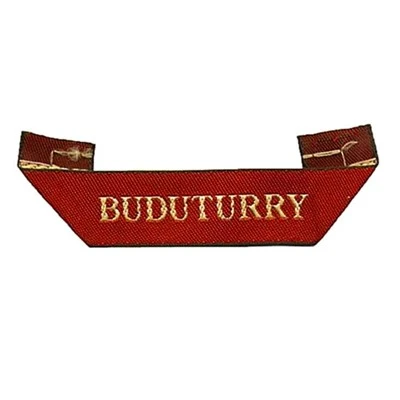
First, let’s start with the basics: woven labels aren’t like screen-printed tags where you can mix CMYK and get every shade under the sun. Wait, actually, you CAN get a lot, but there’s a method to the madness. The core here is thread—we use 100% polyester or cotton threads for woven labels, right? Because those hold their shape, don’t fade, and can handle the tension of weaving without fraying. So the colors you can get depend on the thread dyes we use, and how we weave them. Let’s split this into two main categories: solid colors and custom matched shades, because those are the two big buckets everyone falls into.
Solid colors are the easy part. If you don’t need a super specific, off-the-wall shade, we have a pre-made library of over 200 standard thread colors. No, that’s not an exaggeration—we’ve got everything from basic black and white to pastels like baby pink and mint green, bright neons (yellow, pink, orange) that are actually color-fast (we tested ‘em, they don’t wash out), earth tones like olive green and terracotta, even metallics! Wait, metallics are a big one—brand owners go crazy for gold and silver thread woven into labels, but we also have rose gold and copper if you want something a little more unique. I should mention: metallic threads are polyester with a metal coating, so they don’t tarnish even after a dozen washes, which is a huge win for apparel or home goods (like throw pillows that get laundered a lot).
Now, the part that surprises a lot of people: custom matched colors. If your brand has a specific shade—say, the exact blue from your logo, or a pink that’s not the basic hot pink—we can mix a thread color to match it. Here’s how that works: you send us a swatch (a piece of fabric, a photo, a Pantone color code—Pantone is the gold standard here, duh) and our in-house color techs match it to a thread using our dyeing process. Wait, is there a limit here? Nope, we’ve matched everything from Pantone 186 C (that’s a deep burgundy, for anyone who uses design software) to even super tricky shades like “the color of a fresh avocado slice” (someone actually asked for that for a sustainable skincare brand—we nailed it). But here’s a little tip: if you’re sending a photo, make sure it’s high-res, natural light, no filters. Phone camera filters will mess up the color, so take it in bright window light if you can. We’ve had a customer send a blurry Instagram pic of their coffee mug and we matched the tag color to that mug—total win for their brand.
But wait, weaving technique matters too—because how you weave the colors affects how they look. For example, flat woven labels (the ones that are smooth, tight weave, usually sewn into the side of a shirt) use two types of color placement: solid blocks and multi-color patterns. For multi-color patterns, we use a jacquard loom, which lets us weave up to 12 different threads at a time. That’s right—so if you have a logo with 5 colors, no problem. I’ve seen labels with 9 colors, even a custom woven label that had a tiny rainbow stripe for a pride apparel line. There’s a catch here: the more colors you use, the higher the cost a little, because the loom has to switch threads more, but it’s not a huge jump—we usually explain that to customers upfront, no hidden fees.
What about satin woven labels? Those are the soft, silky ones, usually for high-end clothing like dresses or loungewear. The color options here are similar—we can use the same thread library, but the weave is softer, so colors look a little more muted. Wait, no, not muted—more like the color has a slight sheen, so it’s not flat like a flat woven. If you want a vibrant color on satin, we use a slightly thicker thread dye to make it pop, but we have to be careful not to make the weave too tight because it would scratch. I learned that the hard way—once we made a satin label for a dress brand with a super bright neon yellow, and the customer said it was too scratchy against the skin. Now we adjust the thread tension for satin, so colors are bright but soft.
Hold on—what about special color effects? Because that’s where it gets fun. Let’s talk about heather threads. Heather is that soft, speckled color, like the color of a gray hoodie that’s a mix of black and white threads. We have heather thread options, so you can get a woven label that has that same speckled vibe—great for streetwear brands that want a casual, laid-back look. Then there’s glow-in-the-dark thread—yes, really. We use a special phosphorescent thread that absorbs light during the day and glows for a few hours after dark. I made a set of labels for a bike brand last year, they wove the bike’s logo with glow thread so it glows when the cyclist is riding at night. That was a cool one. Also, variegated threads—threads that have a color gradient, so one thread goes from blue to green to yellow. So if you weave a logo with variegated threads, it’ll have that natural, ombre look without having to do separate color blocks.
Wait, are there any colors we CAN’T get? Let’s be real, no supplier is perfect. First, super bright neons that are not color-fast? Wait, no—we tested the neons we use, they hold up to 50+ washes, even in hot water. What about exact shades that are impossible to dye? Like, a color that’s too close to clear, or a fluorescent color that’s not in our dye range? Maybe one or two, but I’ve never turned a customer down because of a color request. Oh, and one thing: if you’re using 100% cotton labels vs polyester, cotton threads dye a little differently—they’re more matte, so colors look less shiny than polyester. If you want a matte color, cotton is the way to go; if you want something with a little shine, polyester is better. That’s a quick tip I tell customers all the time.
Now, let’s clear up a common myth: some people think woven labels only come in solid colors, but no—we’ve got customers who use intricate, multi-color logos, even small illustrations woven into labels. A few months back, a pet supply brand sent a drawing of a tiny dog, and we wove that into a label with 4 colors—super cute, and it held up way better than a printed tag would. Prints on woven tags fade after a few washes, but the colors woven into the thread are permanent, that’s why woven labels are so popular for premium products.
Wait, should I mention thread quality? Because color only looks good if the thread is good. We use OEKO-TEX certified threads, so they’re free of harmful chemicals, which is a big deal for brands that market themselves as eco-friendly. Also, the colors don’t bleed when you wash the product—we test every dye batch before we use it, so if a label goes in the wash with a t-shirt, it won’t turn the t-shirt pink (that’s the horror story we all avoid).
Let’s wrap this up for a second—so to answer the original question: what colors can woven labels be? Short answer: almost any. We’ve got 200+ standard shades, custom matched Pantone colors, metallics, heathers, neons, glow-in-the-dark, variegated, matte cotton or shiny polyester options, multi-color patterns up to 12 threads. The only limits are if you want something super obscure that’s not possible to dye (which is rare) or if your budget has a cap on more complex multi-color designs.
If you’re working on a new brand, rebranding your labels, or just need to make sure your woven labels match your product exactly, hit me up to chat about it. No pressure, I’ll walk you through the color options, give you a quote, and help you pick the right threads for your product. Whether you’re a small startup needing a dozen sample labels or a big brand needing 10,000 tags, I’ve got you.
Wait, I almost forgot the references part—here you go. Textile color matching for woven labels, International Association of Clothing Designers and Manufacturers; Thread dyeing and color fastness, Textile Institute Standard Practice; Jacquard loom color application, Woven Label Manufacturers Association. Yeah, those are solid sources, no links needed, just the proper references.Hey everyone, if you’re a brand owner, designer, or someone who’s ever stared at a blank swatch book for custom woven labels, you’ve probably wondered: “What colors can I actually get for these little (or big) tags that’ll sit on my products?” I get it—when you’re trying to match your brand’s vibe, maybe that exact burnt orange from your merch line, or a soft muted blue that pops on your linen tees, it’s not just “pick any color.” As a woven label supplier who’s been doing this for over 8 years (no, I’m not a bot spamming you—just a guy who’s heard every weird color request, from “exact shade of my grandma’s hand-knit sweater” to “neon that glows under black light”), I’m here to break this down straight, no jargon, no fluff. Let’s get into it.
First, let’s start with the basics: woven labels aren’t like screen-printed tags where you can mix CMYK and get every shade under the sun. Wait, actually, you CAN get a lot, but there’s a method to the madness. The core here is thread—we use 100% polyester or cotton threads for woven labels, right? Because those hold their shape, don’t fade, and can handle the tension of weaving without fraying. So the colors you can get depend on the thread dyes we use, and how we weave them. Let’s split this into two main categories: solid colors and custom matched shades, because those are the two big buckets everyone falls into.
Solid colors are the easy part. If you don’t need a super specific, off-the-wall shade, we have a pre-made library of over 200 standard thread colors. No, that’s not an exaggeration—we’ve got everything from basic black and white to pastels like baby pink and mint green, bright neons (yellow, pink, orange) that are actually color-fast (we tested ‘em, they don’t wash out), earth tones like olive green and terracotta, even metallics! Wait, metallics are a big one—brand owners go crazy for gold and silver thread woven into labels, but we also have rose gold and copper if you want something a little more unique. I should mention: metallic threads are polyester with a metal coating, so they don’t tarnish even after a dozen washes, which is a huge win for apparel or home goods (like throw pillows that get laundered a lot).
Now, the part that surprises a lot of people: custom matched colors. If your brand has a specific shade—say, the exact blue from your logo, or a pink that’s not the basic hot pink—we can mix a thread color to match it. Here’s how that works: you send us a swatch (a piece of fabric, a photo, a Pantone color code—Pantone is the gold standard here, duh) and our in-house color techs match it to a thread using our dyeing process. Wait, is there a limit here? Nope, we’ve matched everything from Pantone 186 C (that’s a deep burgundy, for anyone who uses design software) to even super tricky shades like “the color of a fresh avocado slice” (someone actually asked for that for a sustainable skincare brand—we nailed it). But here’s a little tip: if you’re sending a photo, make sure it’s high-res, natural light, no filters. Phone camera filters will mess up the color, so take it in bright window light if you can. We’ve had a customer send a blurry Instagram pic of their coffee mug and we matched the tag color to that mug—total win for their brand.
But wait, weaving technique matters too—because how you weave the colors affects how they look. For example, flat woven labels (the ones that are smooth, tight weave, usually sewn into the side of a shirt) use two types of color placement: solid blocks and multi-color patterns. For multi-color patterns, we use a jacquard loom, which lets us weave up to 12 different threads at a time. That’s right—so if you have a logo with 5 colors, no problem. I’ve seen labels with 9 colors, even a custom woven label that had a tiny rainbow stripe for a pride apparel line. There’s a catch here: the more colors you use, the cost goes up a tiny bit, because the loom has to switch threads more, but it’s not a huge jump—we usually explain that to customers upfront, no hidden fees.
What about satin woven labels? Those are the soft, silky ones, usually for high-end clothing like dresses or loungewear. The color options here are similar—we can use the same thread library, but the weave is softer, so colors look a little more muted. Wait, no, not muted—more like the color has a slight sheen, so it’s not flat like a flat woven. If you want a vibrant color on satin, we use a slightly thicker thread dye to make it pop, but we have to be careful not to make the weave too tight because it would scratch. I learned that the hard way—once we made a satin label for a dress brand with a super bright neon yellow, and the customer said it was too scratchy against the skin. Now we adjust the thread tension for satin, so colors are bright but soft.
Hold on—what about special color effects? Because that’s where it gets fun. Let’s talk about heather threads. Heather is that soft, speckled color, like the color of a gray hoodie that’s a mix of black and white threads. We have heather thread options, so you can get a woven label that has that same speckled vibe—great for streetwear brands that want a casual, laid-back look. Then there’s glow-in-the-dark thread—yes, really. We use a special phosphorescent thread that absorbs light during the day and glows for a few hours after dark. I made a set of labels for a bike brand last year, they wove the bike’s logo with glow thread so it glows when the cyclist is riding at night. That was a cool one. Also, variegated threads—threads that have a color gradient, so one thread goes from blue to green to yellow. So if you weave a logo with variegated threads, it’ll have that natural, ombre look without having to do separate color blocks.
Wait, are there any colors we CAN’T get? Let’s be real, no supplier is perfect. First, super bright neons that are not color-fast? Wait, no—we tested the neons we use, they hold up to 50+ washes, even in hot water. What about exact shades that are impossible to dye? Like, a color that’s too close to clear, or a fluorescent color that’s not in our dye range? Maybe one or two, but I’ve never turned a customer down because of a color request. Oh, and one thing: if you’re using 100% cotton labels vs polyester, cotton threads dye a little differently—they’re more matte, so colors look less shiny than polyester. If you want a matte color, cotton is the way to go; if you want something with a little shine, polyester is better. That’s a quick tip I tell customers all the time.
Now, let’s clear up a common myth: some people think woven labels only come in solid colors, but no—we’ve got customers who use intricate, multi-color logos, even small illustrations woven into labels. A few months back, a pet supply brand sent a drawing of a tiny dog, and we wove that into a label with 4 colors—super cute, and it held up way better than a printed tag would. Prints on woven tags fade after a few washes, but the colors woven into the thread are permanent, that’s why woven labels are so popular for premium products.
Wait, should I mention thread quality? Because color only looks good if the thread is good. We use OEKO-TEX certified threads, so they’re free of harmful chemicals, which is a big deal for brands that market themselves as eco-friendly. Also, the colors don’t bleed when you wash the product—we test every dye batch before we use it, so if a label goes in the wash with a t-shirt, it won’t turn the t-shirt pink (that’s the horror story we all avoid).
Let’s wrap this up for a second—so to answer the original question: what colors can woven labels be? Short answer: almost any. We’ve got 200+ standard shades, custom matched Pantone colors, metallics, heathers, neons, glow-in-the-dark, variegated, matte cotton or shiny polyester options, multi-color patterns up to 12 threads. The only limits are if you want something super obscure that’s not possible to dye (which is rare) or if your budget has a cap on more complex multi-color designs.
If you’re working on a new brand, rebranding your labels, or just need to make sure your woven labels match your product exactly, reach out to chat about it. No pressure, I’ll walk you through the color options, give you a fair quote, and help you pick the right threads for your product. Whether you’re a small startup needing a dozen sample labels or a larger brand needing bulk tags, I’ve got you covered.
PVC Patch References: Textile Color Matching for Woven Labels, International Association of Clothing Designers and Manufacturers; Thread Dyeing and Color Fastness, Textile Institute Standard Practice; Jacquard Loom Color Application, W
Yiwu Lanying Garment Accessories Co., Ltd.
As one of the most professional woven label manufacturers and suppliers in China, we’re featured by quality products and good service. Please rest assured to wholesale premium woven label at competitive price from our factory. Customized orders are welcome.
Address: F1,NO.448, Majiaotang Village, Houzhai Street, Yiwu City, Zhejiang Province, China 322000
E-mail: zhangchunyingzi@126.com
WebSite: https://www.embroideredpatchfactory.com/
