If you’ve ever spent time shopping for bedding, casual wear, or kids’ clothes, you’ve probably seen “hypoallergenic cotton” tagged onto product descriptions. As a cotton fabric supplier, I get asked this question at least a dozen times a day by customers looking to pick fabrics that won’t trigger sneezes, rashes, or that itchy, clingy feeling that makes them want to strip off mid-afternoon. The short answer isn’t as black and white as “yes” or “no,” though—and it’s a question that ties together how cotton is grown, processed, and even the individual quirks of the person wearing it. Today, I want to break this down the way I explain it to my own buyers, no overly jargon-heavy stuff, just what we’ve learned from years of sourcing and shipping cotton fabrics to families, small brands, and large retailers. Cotton Fabric

First, let’s get one myth out of the way: raw, unprocessed cotton isn’t inherently hypoallergenic. It sounds counterintuitive, right? Cotton is a natural plant fiber, so you’d think it’s gentle. But cotton plants grow with things that can stick to the fiber’s surface, and even the way they’re harvested can add irritants. Let’s start with the growing phase. Conventional commercial cotton is one of the most heavily pesticide-treated crops in the world. Those pesticides don’t just evaporate once the cotton is picked—they can leave residues on the fiber, and while regulatory bodies set safe limits for consumer products, some people have sensitive skin that reacts even to small amounts of residual chemicals. Then there’s the cotton plant’s own natural debris: tiny fragments of the seed pod, leaf bits, and even the tiny, fuzzy “lint” that surrounds the cotton boll. That lint is what makes cotton so soft, but those micro-fibers can shed when you wash or wear it, and they can irritate airways for people with mild allergies. It’s not a life-threatening allergy, more like a persistent tickle in the throat or a runny nose for someone who’s extra sensitive.
Now, compare that to processed cotton, which is what most of us use every day. When we talk about hypoallergenic cotton, we’re almost always talking about cotton that’s been through a series of treatments to strip away those irritants. Let’s walk through that process, because this is where my team and I focus most of our quality checks. First, raw cotton is cleaned through a process called ginning, which separates the fiber from the seeds, but even after ginning, there are still small bits of plant matter left. Next comes scouring—boiling the cotton in a mild alkaline solution to remove waxes, oils, and residual pesticides. That’s a big step. The waxes on raw cotton are what make it water-repellent for the plant, but they’re also the number one cause of that stiff, scratchy feeling in low-quality cotton sheets. Scouring removes most of that, leaving a smoother, softer fiber. Then there’s bleaching, though not all cotton is bleached—some is left in its natural cream color. If it’s bleached, we use oxygen-based bleaches rather than chlorine these days, because chlorine can leave harsh residues that irritate sensitive skin. The final step for many of our hypoallergenic lines is a finishing process that coats the fabric in a very thin, non-irritant polymer to lock in the fibers and reduce shedding. That’s the key to making cotton hypoallergenic: the processing step, not the fiber itself.
Now, let’s talk about what hypoallergenic actually means, because this is where a lot of marketing falls flat. The FDA doesn’t have a formal definition for “hypoallergenic,” so brands can throw that term around pretty loosely. For fabrics, hypoallergenic generally means that the product is less likely to cause an allergic reaction than similar products, and it’s tested to be free of common irritants like latex, formaldehyde, and harsh dyes. That’s why when we label our “hypoallergenic cotton fabrics,” we don’t just say it—we test every batch for residual chemicals, and we avoid any processes that add unnecessary irritants. For example, we never use azo dyes, which can release carcinogenic compounds in some cases and are a common trigger for contact dermatitis. We also test for pH levels, keeping them in the range of healthy skin (between 5.5 and 6.5) because fabrics with a higher or lower pH can disrupt the skin’s natural barrier and cause rashes.
Another big point: not all cotton is the same. We source a lot of organic cotton, and for good reason when it comes to allergies. Organic cotton is grown without synthetic pesticides or fertilizers, so it has far fewer chemical residues from the start. That means less processing needed to strip away irritants, which results in a softer fabric that’s gentler on skin. But organic cotton isn’t the only option for sensitive skin, either. We also have high-quality conventional cotton that goes through extra scouring and finishing steps to remove all residual chemicals, and it’s tested to meet Oeko-Tex Standard 100, which is a globally recognized certification for products that are free of harmful substances. The key here is that processing quality matters more than whether it’s organic or conventional. A poorly processed organic cotton can still have plant debris that causes irritation, just as a well-processed conventional cotton can be every bit as gentle.
I should also address a common reaction some people have to cotton vs. other fabrics, like polyester or rayon. A lot of people assume synthetic fabrics are less hypoallergenic, and that’s often true because synthetics can trap sweat and bacteria against the skin, which can trigger irritation. But natural fabrics like cotton can also trap irritants if they’re not processed correctly. For example, old, worn cotton sheets can start to shed micro-fibers, and they can build up dust mites if not washed regularly. Wait, dust mites—another common allergy trigger. Can cotton help with that? Yes, if it’s tightly woven. Loosely woven cotton, like some t-shirts or cheap bed linens, has gaps between the fibers that let dust mites get in and breed. But tightly woven cotton fabrics, like our percale or sateen lines, have a denser weave that makes it harder for dust mites to penetrate. That’s a feature we highlight for our customers who shop for allergy sufferers, especially for bedding.
Let’s talk about real life examples, because numbers and certifications are great, but stories matter. Last year, we worked with a small children’s clothing brand that makes pajamas for kids with eczema. They came to us because their previous supplier’s cotton would cause rashes on 10-15% of their orders. We sent them samples of our extra-scoured, low-pH organic cotton, and after testing, they switched all their lines to it. They told us within three months that their return rate for rash-related issues dropped to less than 2%. Another customer was a hotel chain that had been having complaints from guests about itchy bedding. They tried silk, linen, even synthetic blends, but the silk was too delicate for frequent washing, linen wrinkled too much, and synthetics caused sweat-related irritation. They switched to our tightly woven, hypoallergenic cotton sheets, and their guest feedback for bedding comfort jumped 40% in six months. That’s the kind of real-world impact that makes this work matter.
Now, what are the caveats? Because nothing is perfect, right? Even the best processed cotton can cause reactions if someone has a specific allergy to cotton itself. Wait, is that a thing? Yes, it’s rare, but some people are allergic to the proteins naturally present in cotton fibers, or to the dust mites that live in cotton fabrics. The difference here is that a cotton-specific allergy is way less common than an allergy to something else, like the dyes used on the fabric or the pesticides in conventional cotton. For most people with sensitive skin or mild allergies, cotton is a great choice, but it’s always good to test a small swatch of fabric on the inside of your wrist before using it for large items like bedding or clothing. As a supplier, we always send free swatches for exactly that reason—we want our customers to be confident that our fabrics work for their needs.
Another thing I want to mention is washing, because that’s a big part of how cotton performs for sensitive skin. Even the most hypoallergenic cotton fabric can start to accumulate irritants if you don’t wash it properly. We recommend using fragrance-free, dye-free laundry detergents, because even “mild” detergents can have added perfumes that trigger irritation. Avoid fabric softeners, too—they coat the fibers of the fabric, making it feel softer in the short term, but they also leave a residue that can build up over time and cause rashes. If you need to remove a stain, use a gentle, enzyme-based stain remover, and wash the fabric on a cold cycle to reduce fiber breakdown. That way, you’ll keep your cotton fabric gentle and free of irritants for longer.
As a cotton fabric supplier, I think what frustrates me most is the marketing that overhypes “hypoallergenic cotton” as a one-size-fits-all solution. It’s not. It’s a specific category of cotton that’s been processed to remove common irritants, tested to meet strict safety standards, and tailored for people who need gentle fabrics. We don’t label every single one of our cotton fabrics as hypoallergenic—only the ones that pass our internal tests for residual chemicals, pH balance, and fiber shedding. That’s why our customers trust us: we’re not selling a buzzword, we’re selling a product that delivers on its promises.
Whether you’re shopping for baby clothes, bedding, workout gear, or everyday tees, cotton is almost always a better choice than synthetic fabrics for sensitive skin, as long as you’re choosing a high-quality, well-processed fabric. Organic cotton is a great option if you want to avoid chemical residues from the start, but conventional cotton can be just as gentle if it’s processed correctly. The key is to look for certifications like Oeko-Tex Standard 100, GOTS (Global Organic Textile Standard) for organic cotton, and to ask your supplier about their processing steps—any reputable cotton fabric supplier will be happy to walk you through what makes their fabric hypoallergenic.
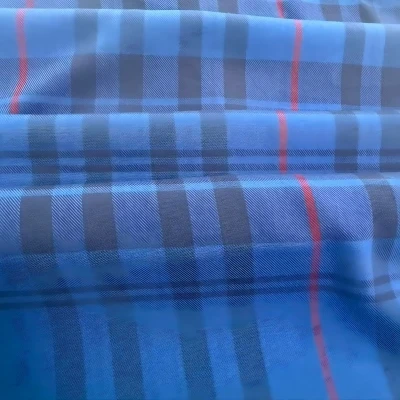
If you’re a brand looking to source cotton fabrics for allergy-friendly products, or you’re a retailer or individual looking for soft, gentle cotton for your customers or home, we’d love to connect. We work with small and large clients alike, offer custom processing for specific needs, and provide free swatches so you can test our fabrics before placing an order. Cotton doesn’t have to be a mystery, and hypoallergenic cotton doesn’t have to be a marketing gimmick—it can be a reliable, gentle fabric that works for everyone.
Sportswear Fabric References
- International Textile Group. (2022). Hypoallergenic Fabrics: A Guide to Safety and Performance.
- American Academy of Dermatology. (2021). Fabrics for Sensitive Skin and Contact Dermatitis Prevention.
- Textile Institute. (2020). Cotton Fiber Processing and Irritant Reduction for Consumer Products.
- Oeko-Tex Association. (2023). Standard 100 Testing Criteria for Harmful Substances in Textiles.
- Journal of Allergy and Clinical Immunology. (2019). Prevalence of Cotton-Specific Allergies in the General Population.
Hangzhou Kangsheng Textile Co., Ltd.
Hangzhou Kangsheng Textile Co., Ltd. is one of the most professional cotton fabric manufacturers and suppliers in China. We have world-leading production equipment and strong manufacturing capabilities. Please rest assured to wholesale bulk high quality cotton fabric from our factory. Also, custom service is available.
Address: 22# Building, K7 Original park,No.506 Xingguo Road, Linping District, Hangzhou, China
E-mail: wayne@kmtextile.net
WebSite: https://www.kangshengtextile.com/
