Hey everyone,
I’m gonna cut right to the chase here—laundry rooms, let’s be real, are one of those spaces we never stop to think about ventilation until we’re dealing with damp towels mildewing, walls smelling like stale detergent, or even a broken dryer that’s just spewing lint and hot air everywhere. As an AC axial fan supplier, I get tons of questions: “Can I just throw one of these fans in my laundry room instead of that tiny vent fan that never works?” And yeah, I get why people ask—axial fans are cheap, easy to install, way simpler than those big centrifugal ones, but is this actually a good call for a space like a laundry room? AC Axial Fan
First, let’s break down what makes a laundry room different from, say, a warehouse or a bathroom. Most people’s home laundry rooms aren’t just a spot with a washer and dryer—they’re often tucked next to a bathroom, a closet, or even a mudroom. The humidity here? It’s not just from hot showers; when you run a load of wet towels or bed sheets, your washer drains all that excess water, and your dryer (even the vented kind) pulls moist air out of the drum. If that air doesn’t get vented out of the room, it sticks around—condenses on the walls, seeps into baseboards, turns that stack of unused detergent boxes into a mold breeding ground, or even makes your dryer run way longer than it should, jacking up your electric bill.
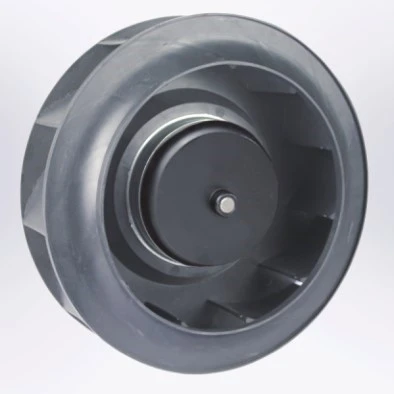
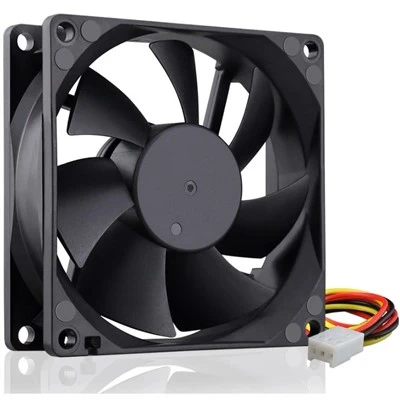
Now, axial fans—what are they, exactly? Unlike centrifugal fans that push air in a circular, outward path (the kind you have in your car radiator or HVAC systems), axial fans spin blades straight along the axis of the motor, so air moves parallel to the blade’s spin. That’s why they look like big box fans or exhaust fans for attics—they move a lot of air quickly, but they’re not great at pushing air through long, narrow paths.
So can you use one in a laundry room? The short answer is: it depends on which AC axial fan you pick, and how you set it up. Let’s start with the “good” reasons to use one here. First, home laundry rooms usually don’t need a ton of CFM (cubic feet per minute, that’s the airflow measurement everyone uses for fans) unless you’ve got a commercial washer/dryer setup. For a standard residential laundry room—say 100 to 150 square feet, average ceiling height—you need around 150 to 300 CFM to keep humidity from building up. A small to mid-size AC axial fan (we’re talking 4, 6, or 8 inch models) will hit that number no problem. Install one near the ceiling, right above your washer/dryer, and it’ll suck that moist, lint-laden air right out of the space before it has time to settle.
Then there’s the install ease. Most axial fans for small spaces come with a plug-in cord, no hardwiring required (though we always recommend a dedicated switch if you can swing it). You don’t need a whole duct system—just a short vent hose or a direct cutout in an exterior wall or window. Contrast that with a bathroom exhaust fan, which usually needs a full duct run to the attic or roof, and suddenly axial fans start looking way more low-effort for small laundry rooms.
But wait—this is where the “bad” stuff comes in, and where a lot of people go wrong. First off: AC axial fans run on alternating current, right? That means they have a motor that uses household AC power, which is totally fine for indoor use, but you have to make sure the fan is rated for moist environments. A lot of cheap axial fans are made for dry spaces, like garages or workshops, and their motors aren’t sealed against humidity. Run that in a laundry room where you’re splashing water around or the air is always damp, and you’re gonna get rust on the blades, motor corrosion, or even a short circuit. That’s a big no—always grab a “bathroom” or “indoor/outdoor” rated AC axial fan if you’re using it for laundry.
Another mistake people make: using too big a fan. I’ve had a customer last year who bought a 20 inch axial fan for his 120 square foot laundry room because he “wanted maximum airflow.” But axial fans work by moving air fast—too big a fan in a small space will just blow all the moisture into the walls instead of venting it outside. Also, those big fans are loud—like, so loud you can’t have a conversation while your laundry is running, or you’ll still hear it over the dryer. Stick to CFM that matches your room size, and you’re golden.
Then there’s lint. Laundry rooms are full of lint, right? That tiny fuzzy stuff from dryer sheets, cotton clothes. Axial fans pull air through the blades, and if you don’t have a lint filter or a pre-filter on the fan’s intake, that lint will build up in the motor over time, clogging it, making it work harder, and cutting its lifespan in half. It’s not that axial fans can’t handle lint—you just have to add a cheap foam or mesh filter to the front of the fan. Most people forget that, and then wonder why their fan dies after a year.
Let’s talk about specific use cases to make this real. If you have a small, enclosed laundry room (say, a closet off your kitchen with a washer and dryer, no external vent right there), an AC axial fan is perfect here. I recently sold a batch of 6 inch 180 CFM AC axial fans to a couple in Portland whose laundry room was in a tiny back closet—they had mold on the drywall within 6 months of moving in, and their old vent fan was way too weak. They installed the fan in the back wall, ran a short vent hose to an exterior vent cap, added a foam pre-filter, and now their humidity stays at around 40-50% (perfect for indoor spaces) and no mold.
If your laundry room is connected to another space—like if you have an open floor plan and the laundry is next to your living room—skip the big axial fan. It’ll blow all that lint and moist air into the living room, which is exactly what you don’t want. Instead, go with a smaller, quiet axial fan, or even a inline axial fan that’s ducted directly to the dryer’s vent. Wait, inline axial fans are a thing, right? Those are the ones you mount in the ductwork, not on the wall—super quiet, and great if you don’t want a fan sticking out in your laundry room.
Another big one: ventless dryers. If you have a ventless dryer (which a lot of people use in apartments where you can’t vent to the outside), your laundry room is already extra humid. An AC axial fan here is almost mandatory, but you need to make sure it’s rated for continuous use, because ventless dryers run way longer and pump out more moisture. We sell a 12 inch 400 CFM continuous-duty axial fan that’s specifically for ventless dryer setups, and it’s been a lifesaver for apartment dwellers who can’t use regular vent fans.
Now, let’s address the stuff people usually get confused about vs. other fan types. Centrifugal fans are often recommended for laundries too, right? They’re quieter, better for long ducts, but they’re way more expensive, harder to install, and overkill for small spaces. Axial fans? They’re the budget-friendly, quick-install option, as long as you’re doing it right. I’m not here to say axial fans are better than centrifugal—just that for most home laundry rooms, they’re a solid choice if you follow the rules.
Wait, also: seasonal use. If you only use your laundry room in the winter (some people have them as mudrooms only in cold months), a small axial fan is great, but make sure you turn it off when you’re not using it. If you use it year-round, a fan with a built-in humidistat is worth the extra $20. That way, it only turns on when the humidity hits a certain level, so you’re not wasting energy, and it automatically keeps the space dry. That’s a game-changer for people who forget to turn fans on and off.
Now, the common pitfalls I see as a supplier:
- Not checking IP rating: IP (Ingress Protection) rating tells you how water-resistant a fan is. For laundry rooms, you want at least IP44, which means it’s protected against splashing water. Anything lower than that, and you’re asking for trouble.
- No lint filter: Like I said earlier, lint is the enemy of axial fans. Add a $5 mesh filter to the intake, and your fan will last 2-3 times longer.
- Wrong CFM: If your laundry room is 150 sq ft, don’t get a 100 CFM fan—it’ll be too weak. Don’t get a 500 CFM fan—it’ll be too loud and move air too fast. Use the rule: multiply your room’s square footage by 2, that’s your base CFM. Adjust up if you have a ventless dryer or a lot of laundry at once.
Let’s wrap this up with a real example from a customer last quarter. He had a 140 sq ft laundry room in his basement, and before he bought our 8 inch 280 CFM IP44 axial fan, his walls were always damp, his dryer’s motor was burning out every 18 months, and his towels smelled mildewed. We recommended he add a ¼ inch mesh pre-filter, run a 4 inch vent hose to the exterior, and mount the fan 2 feet above the washer/dryer. Three months later, he emailed us saying his dryer’s run time dropped by 25%, no more mildew, and his energy bill was lower. That’s exactly what we’re talking about—axial fans working as they should in a laundry room.
So, to circle back to the original question: Can an AC axial fan be used in a laundry room? Yes, absolutely—if you pick the right one, install it correctly, and maintain it. It’s not a one-size-fits-all, but for most residential setups, it’s a cost-effective, easy solution to that annoying laundry room humidity problem that no one talks about until it becomes a big issue.
If you’re not sure which axial fan is right for your laundry room—whether you’ve got a small closet setup, a big basement space, or a ventless dryer—hit us up to chat through your needs. We can help you pick the right size, the right IP rating, and even give tips for install that’ll save you time and prevent headaches down the line. No sales pitch, no pressure—just solid advice from someone who works with these fans every single day.
Axial Fan References:
- ASHRAE. (2021). Ventilation and Acceptable Indoor Air Quality in Residential Buildings. American Society of Heating, Refrigerating and Air-Conditioning Engineers.
- Fan and Motor Association. (2022). CFM Requirements for Residential Ventilation Applications.
- International Residential Code. (2023). Ventilation for Laundry Areas. International Code Council.
Dongguan Shengzhirong Electronics Co., Ltd.
As one of the most professional ac axial fan manufacturers and suppliers in China, our products have good reputation in the market. Please rest assured to wholesale high quality ac axial fan made in China here from our factory. Customized orders are welcome.
Address: 6/F, Building 2, No.68, Shunxing 2nd Road, Dajingtou 2nd Industrial Zone, Dalang Town, Dongguan City, Guangdong, China
E-mail: szr_coolingfan@163.com
WebSite: https://www.szrfan.com/
