If you’ve ever commissioned a custom stuffed animal from us, you know the tiny details are what turn a basic plush into something that feels like yours. But one of the trickiest (and most overlooked) parts of the whole process? Picking the right eyes and nose. I’ve been running this custom shop for 7 years, and I’ve watched so many people overthink this part—like they’re picking facial features for a tiny, soft human. The thing is, there’s no one “right” answer, but there are definitely ways to avoid picking something that looks off or doesn’t fit the vibe you’re going for. Let me break this down like I would to a customer sitting at our worktable, scrolling through our selection of eyes and noses, coffee in hand. Custom Stuffed Animal
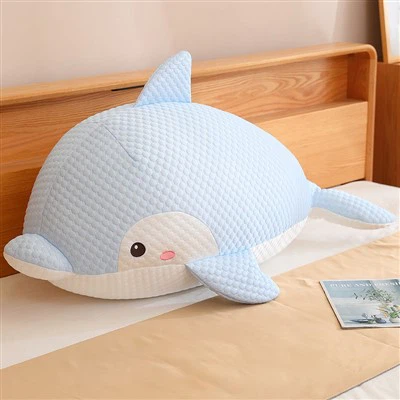
First, let’s get one myth out of the way: eyes and noses aren’t just “cute or not.” They have to match three big things: the character of the stuffed animal you’re making, the safety rules I have to follow (seriously, this is non-negotiable), and how the piece is going to be loved later. Let’s start with the stuff that feels fun at first—character, because that’s usually why you’re making a custom plush, right?
Say you’re making a plush of your rescue dog, Max, who’s got that half-lidded, sleepy look he gets when you hand him a treat. If you pick big, googly plastic eyes with thick black rims, that’s gonna look like a toddler’s toy, not a tiny version of Max. Instead, go for smaller, more rounded safety eyes (more on those in a sec) with a subtle brown tint—maybe even one with a little “sleepy” curve etched on the top edge. I’ve had customers come in with photos of their pets, and the mistake they almost always make is picking the biggest eye they can find. They think bigger = more accurate, but 9 times out of 10, it makes the plush look like a cartoon character instead of their actual pet.
The same goes for fantasy characters, too. If you’re making a plush of that alien your kid drew with three big, bulbous eyes, sure, go big—but keep their spacing right. If you cram all three eye holes too close together, it’ll look like a mutant instead of a friendly alien. Another example: a custom plush of your favorite video game wizard. They’ve got a stern, wise face, not a playful grin. So skip the triangular, stitched nose that looks like a smile, and go for a small, rounded stitched nose in dark gray or blue, matching their robe. The eyes? Not the shiny, plastic googly ones—pick matte safety eyes in deep purple, no shine, to keep that serious, ancient vibe.
Now, the part that sucks to admit but is non-negotiable: safety. I don’t mess with this, and you shouldn’t either, especially if this plush is gonna be for a kid under 3, or even just a kid who likes to chew on their toys. There are two main types of eyes and noses we use here, and I’ll walk you through both. First, safety eyes—these are the ones that have a plastic back you push through from the inside of the plush, then clamp tight so they can’t be pulled out. They come in all sizes, colors, and even “realistic” styles, but the rule here is: for kids under 3, you can’t use any eye or nose that’s smaller than a quarter. If a customer comes in asking for a tiny, 1/4 inch plastic eye for a toddler plush, I have to say no. It’s a choking hazard, and I’d never send something out that could hurt a kid.
The other option is stitched features—these are when you sew tiny dots, circles, or shapes right onto the plush fabric instead of using plastic. This is my go-to for babies under 1, or for customers who just want a super soft, no-hard-parts plush. The problem here? People sometimes pick stitches that are too thin, or the wrong color. For example, if you’re making a plush of a cow, and you stitch its nose with thin gray thread, it’ll look faint and washed out. Use thicker, matching thread—we use polyester thread for all stitching, it’s durable and doesn’t fade when you wash the plush. One tip: when picking stitched eyes, use a double stitch for the pupil. It makes the eye look defined without being too big or harsh, and it lasts way longer than a single stitch if the plush gets loved a lot.
Wait, speaking of washing—let’s talk about that, too, because it ties into your eye and nose choice. If this plush is gonna be a bedtime buddy, get thrown in the wash every month, then plastic safety eyes are fine, but make sure you pick ones that are sealed tight. I test every eye when I put it in—pull gently from the outside to make sure it doesn’t wiggle. Stitched features are great for washing too, since there’s nothing to come loose, but you have to be careful with thread tension. If you stitch too tight, it’ll pucker the fabric around the eye, and that looks weird. Too loose, and the stitches fade after a few washes. We give customers a little “stitch tension cheat sheet” when they order, but basically, aim for a stitch that lays flat on the fabric, no puckers.
Another big factor: the size and shape of the plush itself. I can’t tell you how many times a customer wants a 2-foot-tall bear, but tries to put a tiny, 1/2 inch nose on its face. It looks like a needle dropped on a big pillow. For larger plushies, you need larger features—safety eyes that are at least 1.5 inches across, a nose that’s big enough to balance with the size of the head. Conversely, if you’re making a tiny plush, like a keychain-sized one for your bag, you can’t use a big safety eye—you have to go with stitched features, or tiny, tiny safety eyes that are only for plushies 3 and up. Last year, I had a customer who made a tiny plush of her wedding ring bearer pillow’s mascot, a mini teddy bear. She picked stitched eyes and a tiny stitched bow around the neck, and it was perfect—if she’d used plastic eyes, they would’ve looked bulky and out of place on that little guy.
Let’s also talk about personal style, because at the end of the day, this is your custom plush. Some people hate shiny plastic eyes—they think they look cheap, so they go for matte safety eyes or stitched features. That’s totally fine! I’m the same way—my own personal plush I made last year has stitched eyes, because I just don’t love the shiny plastic look. Other people swear by safety eyes because they hold up way better for plushies that get thrown around, chewed on (by kids or dogs, no judgment), or played with roughly.
A quick example of a bad choice to avoid: last month, a customer came in wanting a plush of their chonky tabby cat. They picked big, glossy black safety eyes with a white highlight on each one, and a tiny triangular stitched nose. When I finished the plush, it looked like a cartoon villain cat, not their sweet, chonky tabby. I suggested switching the eyes to a matte, slightly smaller size, and replacing the triangular nose with a round stitched nose in pink. They sent me a photo after they got it, and it looked exactly like their cat—no more villain vibe, just a sweet, chonky tabby. The difference was small, but it made all the impact.
What about if you’re not sure? That’s what I’m here for. We walk through every step with customers, show them samples of different eyes and noses on swatches of fabric, so you can see how they’ll look before you commit. I always tell people to bring a photo of what they’re basing their plush on—whether that’s a pet, a cartoon character, a real person, whatever. Comparing the eye and nose options to the actual photo helps way more than just guessing.
Wait, one last thing: the “feel” of the plush. If you want something super soft, squishy, and cuddly, stitched features are better. Plastic eyes add a little firmness to the face, which might take away from that squishy vibe. If you want a plush that’s more “display” than “cuddle,” safety eyes are great—they’re durable, hold their shape, and look sharp on a shelf.
Let me recap this stuff so it’s easy to remember, no fancy jargon: 1. Match features to the actual thing your plush is (don’t make a sleepy dog look like a cartoon monster). 2. Safety first—no small plastic parts for kids under 3, test all plastic features to make sure they’re secure. 3. Match the size of the feature to the size of the plush (tiny keychain plush = tiny features, big 2-foot bear = big features). 4. Pick a finish you like—matte vs shiny, stitched vs plastic. 5. If you’re unsure, send us a photo, we’ll help.

If you’re thinking about making your own custom stuffed animal and you’re stuck on eyes and noses, don’t stress. This is the fun part, not the hard part. Every plush I’ve ever made, the best part was when the customer picked out features that felt right to them, and it turned into something way better than they imagined. When you’re ready to lock in your design, we’re here to chat through every detail, no question is too small. Just reach out, tell us what you’re envisioning, and we’ll help you pick the perfect eyes and nose (and everything else) that makes your custom plush feel like yours.
Custom Plush Bag If you want more tips on custom stuffed animal design, safety standards, or stitch techniques, check out these reliable sources: toy safety guidelines from the Consumer Product Safety Commission, plush design resources from the Craft and Hobby Association, and pet portrait plush best practices from the International Association of Pet Portrait Artists.
Yangzhou Beyman Toys Co., Ltd.
We are one of the most professional custom stuffed animal manufacturers and suppliers in China, specialized in providing high quality custom service and OEM&ODM service. We warmly welcome you to wholesale bulk custom stuffed animal made in China here from our factory.
Address: Room 305, North Bldg, 4 Bldg, Chuangfu Factory, No. 158, Jiannan Road, Hi-Tech Development Zone, Yangzhou City, Jiangsu Province, China.
E-mail: janzen3@beyman.cn
WebSite: https://www.plushtoyschina.com/
