Hey guys, let’s cut to the chase: if you’ve ever been on a trip and realized your regular pair of sunglasses is garbage for the road, you know what a total buzzkill that is. Like, you’re trekking through the salt flats in Arizona, squinting so bad you can’t read your trail map, or sweating through a beach day in Thailand and your cheap pair slips right off your nose into the ocean. As someone who’s been in the sunglasses game for years (yep, that’s us, the ones who actually test every pair before they hit the shelves), I’ve learned that travel sunglasses aren’t just a fashion accessory—they’re non-negotiable gear. And no, “my go-to Urban Outfitters pair” doesn’t count. Let’s break down what actually works for different trips, why it matters, and what you should skip when you’re stocking up before your next getaway. Sunglasses
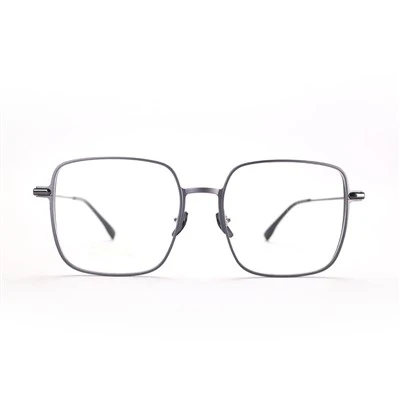
First off, let’s talk about the real science behind why your regular sunglasses suck for travel. Most cheap drugstore pairs (or the ones you grabbed for $10 at a gas station) have UV protection, right? Wait—no, actually, a lot of them just dye the lenses dark to make them look like sunglasses, and they might block UVA/UVB but not the harmful rays that cause eye strain, or even long-term damage like cataracts. But travel adds extra variables: high altitude, reflective surfaces, wind, rain, maybe even dust or sand. If your lenses aren’t polarized, that glare off snow, water, or concrete is going to give you a headache by hour two. If the frame’s flimsy, it’ll snap when you stuff it in your backpack for a hike. If they’re too bulky, they take up half your carry-on. That’s why generic pairs just don’t cut it. You need something built for the chaos of travel, not just walking to your car and back.
Let’s start with the most common trip type: the beach or tropical getaway. I’ve seen people ruin so many good vacations because their sunglasses slid off while surfing, or got salt spray on the lenses and left permanent marks. For these trips, the key features are water resistance, polarized lenses, and a non-slip fit. We recommend wrap-around frames here—they block sunlight from the sides, which polarized lenses alone can’t handle. And don’t even think about plastic frames that get all warped when they sit in a hot beach bag. Go for TR-90 nylon frames—they’re lightweight, super flexible, and if you drop them in the sand? No big deal. As for lenses, polycarbonate is the way to go because it’s shatterproof. Last year, a customer brought back a pair of our beach sunglasses that he’d accidentally sat on while lounging, and not a single crack. Even if he’d stepped on them, they just bent. Also, look for lenses with anti-fog coating—nothing’s worse than putting your sunglasses on after a dip and having them fog up so you can’t see where you’re walking on the boardwalk. Pro tip: skip the super dark lenses for tropical trips. Wait, why? Because when you walk from the bright beach into a dark tiki bar, your eyes can’t adjust fast enough, and you might trip over a root or a loose tile. Opt for medium-dark polarized lenses—they balance glare protection and low-light visibility.
Next up: hiking or mountain trips. If you’re heading to the Rockies, the Alps, or even a local mountain trail, the sun is way stronger at high altitude—UV radiation increases about 4% for every 1,000 meters you climb. So UV protection isn’t just a “nice to have” here—it’s essential. Also, snow reflection is brutal. We’re talking snow blindness-level brutal if you don’t have the right lenses. For mountain trips, we recommend polarized amber or rose-tinted lenses. Amber enhances contrast, which is huge when you’re trying to spot a trail marker or a slippery patch of ice on the trail. Rose-tinted cuts down on glare from both snow and sky without distorting colors too much. And frames here need to be secure—no slipping when you’re hiking uphill, sweating through your forehead. Look for frames with rubber nose pads and rubber temple tips. They grip even when you’re drenched in sweat. Also, make sure they fit under a baseball cap if you wear one—something too bulky won’t work. And please, don’t wear your regular rectangular wayfarers on a 10-mile hike. They’ll break, they’ll slide, and you’ll be miserable by mile 3. We’ve had so many customers come back and say our hiking sunglasses were the best purchase they made for their trip, because they didn’t have to stop every 10 minutes to adjust them or rub their eyes from glare.
Then there’s city or urban travel—like a trip to New York, Tokyo, or London. Wait, why do city trips need special sunglasses? You’re not in the sun every minute, right? But city glare is different—you’ve got that concrete jungle glare, reflections off skyscraper windows, and you’re walking around a lot, so you need visibility for when you’re crossing streets, reading signs, etc. For city trips, versatility is key. You don’t want something too bulky that takes up space in your purse or backpack, but you also don’t want something so tiny it’s easy to lose. Foldable sunglasses are a game-changer here. They fold up into a tiny little case that fits in your pocket, so you can just toss it in your bag when you’re indoors at a museum or a coffee shop, no need to carry a big hard case. For lenses, polarized is still good, but maybe opt for a neutral gray tint instead of amber or rose. Gray tints don’t alter the color of things around you, which is perfect for when you’re trying to read a street sign, check a train schedule, or take a casual photo of the city skyline. Also, UV protection is non-negotiable here too—even on overcast days, 80% of UV rays get through clouds, and you’re walking around for hours, so that adds up.
Wait, let’s talk about the mistakes everyone makes when buying travel sunglasses. First, buying a pair just because it’s trendy. Those viral rectangular frames on TikTok? Cute, but if they’re not polarized, not shatterproof, and not fitted right, they’re useless for travel. I’ve had a friend bring a pair of $50 trendy sunglasses on a trip to Bali, and they broke when she stuffed them in her backpack to go snorkeling. Total waste. Second, skipping the case. A lot of people think “oh, I’ll just put them in my pocket” or “they’re small enough.” But scratches happen—even tiny scratches can distort your vision, and you’ll get headaches from that on a long trip. Always get a hard case, even if it’s small. Third, not checking the fit. If your sunglasses are too big for your face, they’ll slide. Too small, and they’ll pinch your nose after an hour. That’s why we offer different sizes for different face shapes—we actually test every size on a bunch of people to make sure they fit right, even during long walks or activities.
Another big thing: polarized vs non-polarized. Wait, a lot of people swear by polarized, but is there a time when you shouldn’t get polarized? Yeah—if you’re driving through areas with a lot of LCD screens, like in a car’s dashboard, or at an airport security screen. Polarized lenses can make those screens look invisible, which is a pain. But for almost all travel activities—beach, hiking, city walking, sightseeing—polarized is worth it. It cuts that harsh glare that makes your eyes tired after a long day. We’ve done tests in our store: if you’re looking at a lake with non-polarized lenses, you can’t see a thing under the surface. With polarized? You can spot rocks, fish, whatever, without squinting. That’s a game-changer for kayaking or boating trips.
Wait, let’s also mention durability for travel. You’re going to be handling these a lot—stuffing them in and out of bags, setting them on cafe tables, dropping them on the ground. We use polycarbonate lenses because they’re 10 times more shatter-resistant than regular glass lenses. And our frames are either TR-90 nylon or lightweight aluminum—aluminum is great if you want a slightly more premium feel, but TR-90 is just as durable and way cheaper, which is perfect if you don’t want to drop a ton of money on sunglasses you might lose. Speaking of losing—get a pair that’s not super expensive, but not so cheap they fall apart. There’s a middle ground. You don’t need to spend $300 on designer sunglasses for travel, but $15-$30 drugstore pairs just won’t cut it. We price our travel sunglasses between $25 and $60, and we have a 1-year warranty against defects, because we know how easy it is to accidentally drop or bend them.
Let me share a quick story to drive this home. A few months ago, a guy came into our store a week before a 2-week road trip across the US. He had a beat-up pair of cheap sunglasses that he’d had for 3 years, and they kept slipping when he drove. He grabbed our polarized wrap-around pair for driving and hiking. When he came back, he left a 5-star review saying those sunglasses were the best thing he brought on his trip. He said he drove 8 hours a day, no headaches, no slipping, and when he stopped at the Grand Canyon, the glare off the rocks was so bad, but he could see every detail clearly. That’s exactly what we’re talking about. Travel sunglasses aren’t a luxury—they make the trip better.
Wait, what about prescription sunglasses for people who need them? Oh right, I can’t forget that. If you wear glasses, regular sunglasses might be bulky, but prescription travel sunglasses are a game-changer. We do prescription travel sunglasses too—you can get polarized lenses, shatterproof frames, all the features we talked about, made for your exact prescription. No more carrying two pairs of glasses (your regular ones and sunglasses) on a trip. That saves so much space in your bag, and you don’t have to fumble to switch them every time you go outside or indoors.
Let’s wrap this up with a quick checklist so you don’t forget when you’re shopping: 1) 100% UVA/UVB protection (look for that label, don’t just assume). 2) Polarized lenses, unless you’ll be around lots of LCD screens (like driving a lot with dashboard screens, or airport security). 3) Durable, shatterproof lenses (polycarbonate) and flexible frames (TR-90 or aluminum). 4) Secure fit: non-slip nose pads and temple tips if you’re doing activities like hiking or walking a lot. 5) Foldable design if you’re traveling light for city trips. 6) A hard case to keep them from scratches when you’re not using them.
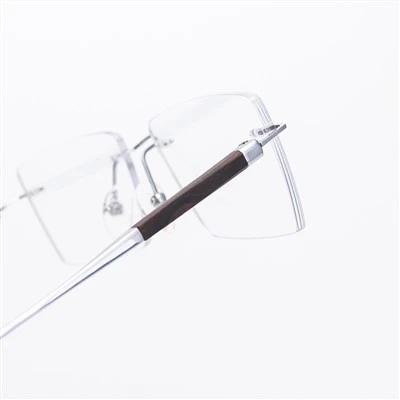
At the end of the day, travel is about making memories, not dealing with squinting, headaches, or broken sunglasses. We’ve spent years perfecting travel-specific sunglasses because we’ve heard all the horror stories. If you’re in the market for a pair that actually works for your next trip, hit us up to chat about what you need. We can help you pick the right pair for your destination, whether you’re hitting the beach, the mountains, or a city. No confusing jargon, no overpriced designer labels—just solid, reliable sunglasses that make your trip way better.
Sunglasses References:
World Health Organization. (2021). Global Burden of Disease from Ultraviolet Radiation Exposure for Skin Cancers and Cataracts.
American Academy of Ophthalmology. (2022). Choosing Sunglasses for Eye Health and Comfort.
International Organization for Standardization. (2019). ISO 12312-2: Eye Protection – Sunglasses and Related Eyewear – Part 2: General Purpose Sunglasses for Personal Use.
Yuhuan Longsen Glasses Co., Ltd.
As one of the most professional sunglasses manufacturers and suppliers in China, we offer a wide range of products with superior quality. Please feel free to buy high quality sunglasses for sale here and get quotation from our factory. We also accept customized orders.
Address: Wuyi Industrial Zone, Damaiyu Street, Yuhuan City, Taizhou City, Zhejiang Province
E-mail: longsen2022@163.com
WebSite: https://www.longsenglasses.com/
