Hey there! I’m a supplier of battery contacts, and today I wanna chat about the design principles of battery contacts. Battery Contact

First off, let’s get into the basic function of battery contacts. You know, battery contacts are like the bridges that connect the battery to the device it powers. They’ve gotta transfer electrical current efficiently, making sure the device gets the power it needs to work properly.
One of the key design principles is conductivity. Good conductivity is super important. We use materials that are great conductors of electricity, like copper or brass. These materials have a low resistance, which means less energy is lost as heat when the current flows through them. For example, copper has excellent electrical conductivity, and it’s widely used in battery contacts. We also often plate these base materials with silver or gold. Silver is an even better conductor than copper, and gold is highly resistant to corrosion. This plating not only improves conductivity but also protects the contact from oxidation and other forms of damage over time.
Another crucial aspect is the mechanical design. Battery contacts need to have a proper shape and structure to ensure a good connection with the battery. They’ve got to fit snugly against the battery terminals. We design contacts with different shapes, like springs or clips. Spring contacts are really popular because they can apply a certain amount of pressure to the battery terminals. This pressure helps maintain a stable electrical connection, even if there’s some vibration or movement. For instance, in a mobile phone, the battery contacts need to stay connected even when you’re moving around or using the phone vigorously. The spring design allows for some flexibility and ensures that the contact doesn’t lose its connection easily.
The size and dimensions of the battery contacts also matter a lot. They have to be designed to match the size and shape of the battery and the device. If the contacts are too big or too small, it can lead to a poor connection. For example, in a small battery-powered device like a hearing aid, the contacts need to be tiny and precisely designed to fit into the limited space. On the other hand, in a larger device like a power tool, the contacts need to be able to handle higher currents, so they’re usually larger and more robust.
Durability is another major design principle. Battery contacts are constantly in use, and they need to withstand repeated insertions and removals of the battery. We use high – quality materials and manufacturing processes to make sure the contacts are strong and long – lasting. For example, we might use heat – treatment processes to harden the metal, making it more resistant to wear and tear. Also, we test the contacts under different conditions, like high temperatures and humidity, to ensure they can perform well in various environments.
Corrosion resistance is also a big deal. Batteries can sometimes leak electrolytes, which can corrode the contacts. To prevent this, we use corrosion – resistant materials and coatings. As I mentioned before, gold plating is a great option because it’s very resistant to corrosion. We also make sure that the contacts are designed in a way that minimizes the exposure to moisture and other corrosive substances. For example, we might design the contacts with a protective shield or enclosure to keep out dust and moisture.
Now, let’s talk about the importance of design for different types of batteries. There are various types of batteries, such as alkaline, lithium – ion, and nickel – metal hydride. Each type has its own characteristics, and the battery contacts need to be designed accordingly. For example, lithium – ion batteries are very popular in modern devices because of their high energy density. But they also require more precise control of the charging and discharging process. So, the battery contacts for lithium – ion batteries need to be designed to handle the specific electrical requirements of these batteries, like monitoring the voltage and current accurately.
In addition to the technical aspects, we also consider the cost – effectiveness of the design. We want to provide high – quality battery contacts at a reasonable price. This means finding the right balance between using high – performance materials and keeping the manufacturing costs down. We might look for alternative materials that offer similar performance but are less expensive. Or we might optimize the manufacturing process to reduce waste and increase efficiency.
As a battery contact supplier, we’re always working on improving our designs. We keep an eye on the latest technological trends and customer needs. For example, as more and more devices are becoming smaller and more powerful, we need to design battery contacts that can fit into these compact spaces while still providing excellent performance.
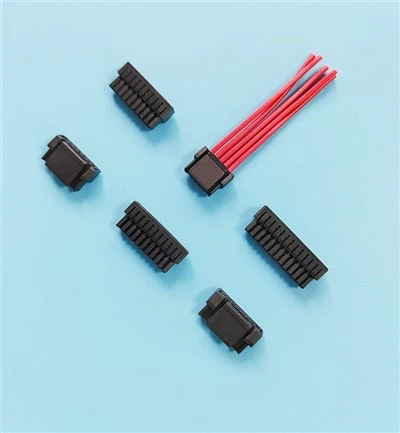
If you’re in the market for battery contacts, whether you’re a manufacturer of consumer electronics, power tools, or any other battery – powered device, I’d love to have a chat with you. We’ve got a wide range of battery contacts to meet different needs, and we can work with you to design custom solutions if you have specific requirements. Don’t hesitate to reach out and start a conversation about your battery contact needs.
3.00mm Pitch References:
- "Electrical Contacts: Principles and Applications" by John J. Burke
- "Battery Technology Handbook" by Thomas B. Reddy
Dongguan Yinglian Electronics Co., Ltd.
We’re well-known as one of the most professional battery contact suppliers in China. With abundant experience, we warmly welcome you to buy bulk advanced battery contact made in China here from our factory. If you have any enquiry about cooperation, please feel free to email us.
Address:
E-mail: James@csg-china.com
WebSite: https://www.csgconn.com/
